
Hearing Aids in Uganda
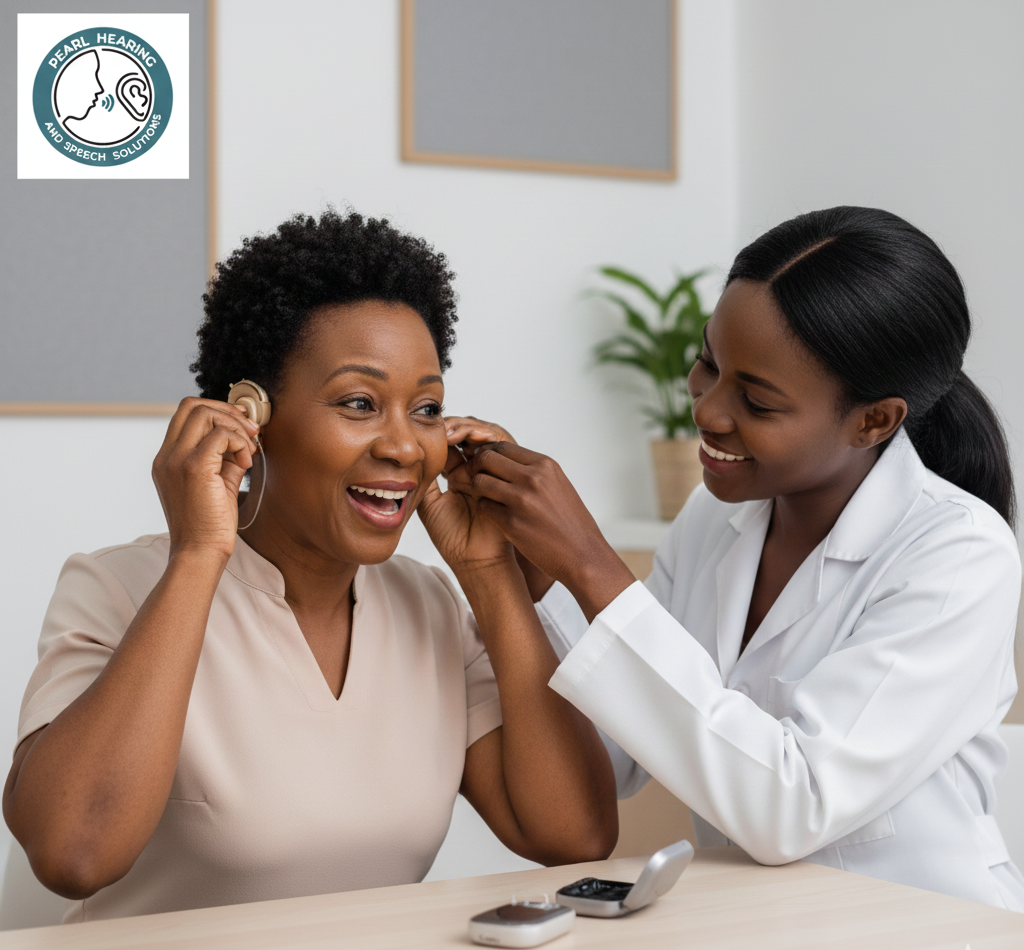
Digital hearing aids programmed to your own hearing test results, not set to a generic profile. We fit behind-the-ear, receiver-in-canal, in-the-ear and rechargeable styles, and we review and readjust them after you have lived with them for a few weeks. We work with the major manufacturers including Phonak, Oticon, Starkey, Signia, Widex and GN ReSound. The World Health Organization notes that hearing aid production currently meets only a fraction of global need, which is part of why unregulated devices are so widely marketed.
Batteries & Testers
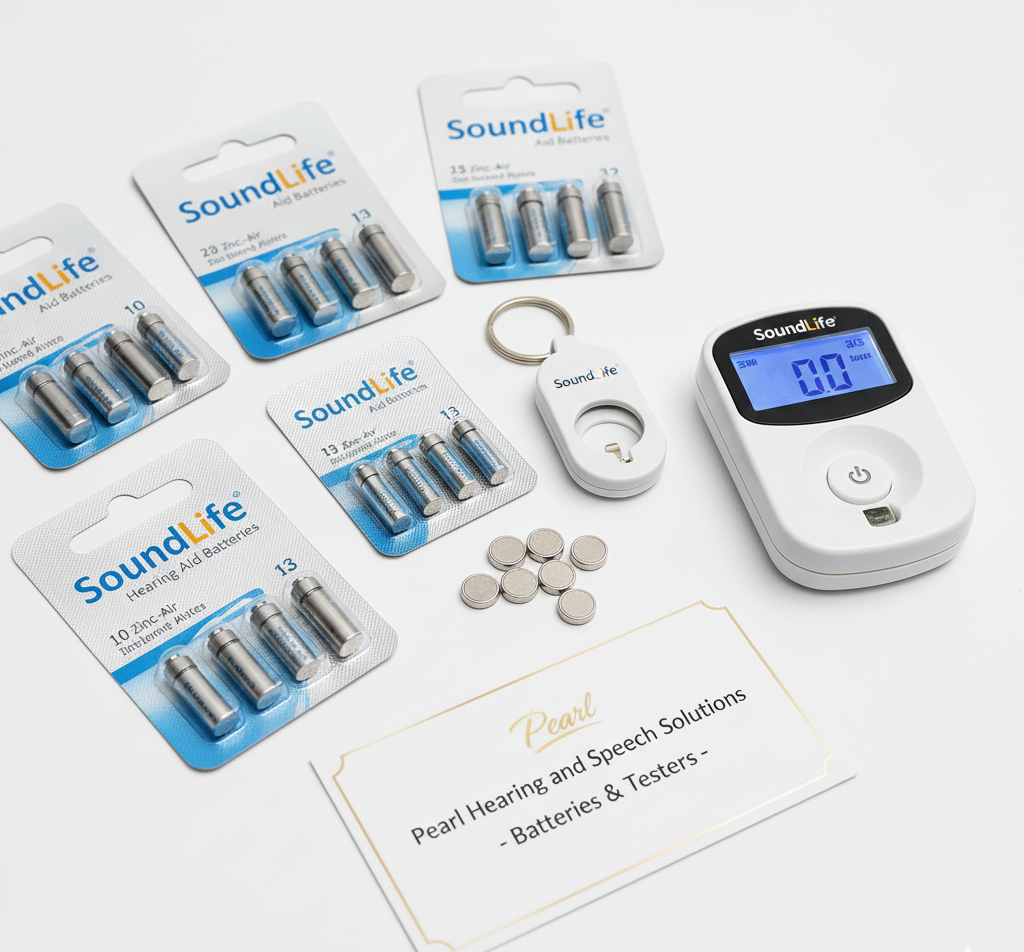
All standard sizes stocked, including 10, 13, 312 and 675. A battery tester tells you whether a device has actually stopped working or simply needs a new cell, which saves an unnecessary trip in.

Tinnitus Maskers
Devices that generate a low level of sound to reduce how intrusive tinnitus feels. For many people with persistent ringing, this is what makes evenings and sleep manageable again.
Noise Protection
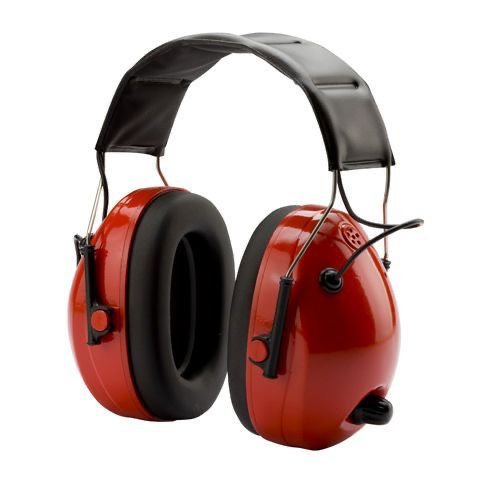
Custom-moulded protection for work, music, riding and shooting. Made from an impression of your own ear so it seals properly and stays comfortable through a full shift, which foam rarely does.

Swim Plugs
Watertight plugs that keep water out of the ear canal. Important for anyone prone to ear infections, anyone with grommets, and anyone with a perforated eardrum.
Sleep Plugs
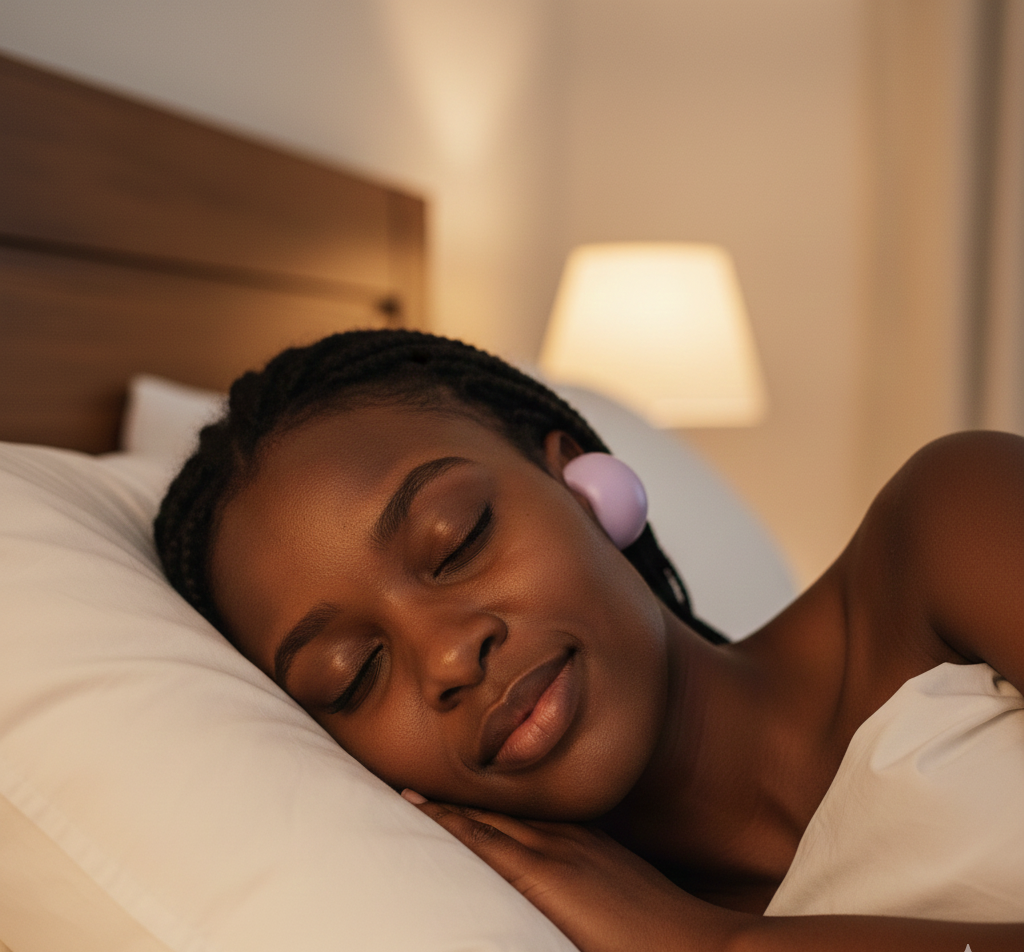
Soft custom plugs shaped to be slept on comfortably. Useful if you live on a busy road, near a bar, or beside a snorer.
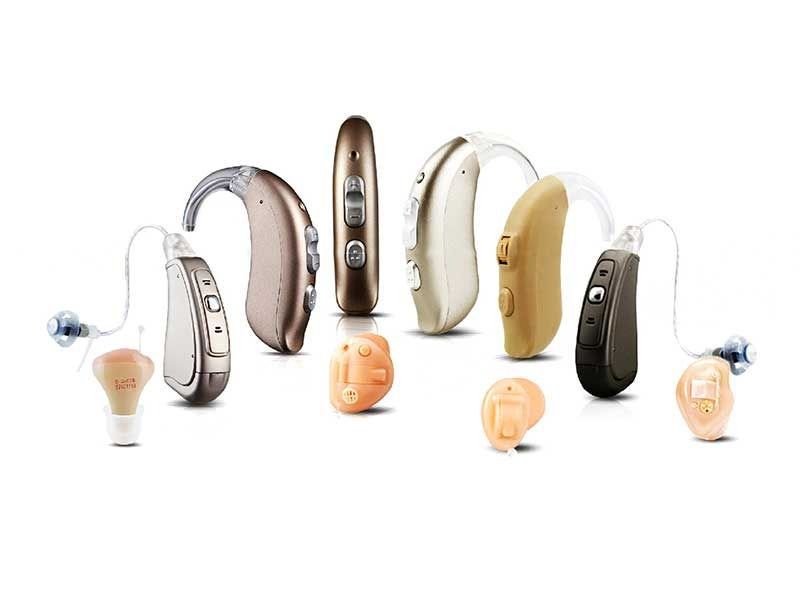
Hearing Aid Accessories
Cleaning tools, drying kits and dehumidifiers. Humidity is hard on hearing aids, and a drying kit meaningfully extends the life of a device in this climate.

Tinnitus Therapy
Sound therapy options used alongside counselling to retrain how the brain responds to tinnitus, so the ringing gradually stops demanding attention.
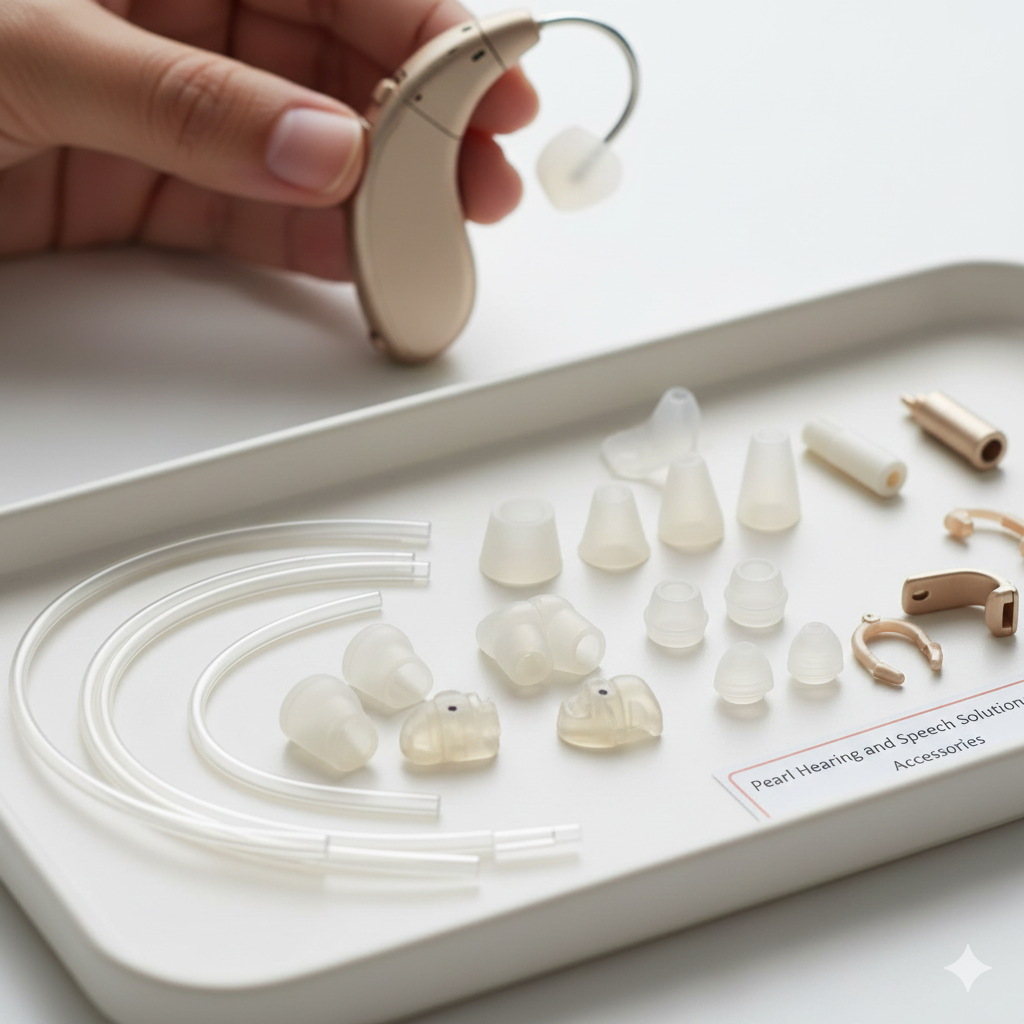
Tubing, Tips, Earmoulds & Hooks
The parts that wear out. Tubing hardens and cracks over time and needs replacing periodically to keep sound quality and comfort where they should be. Earmoulds are made from an impression of your ear, and a poor fit is one of the most common reasons a hearing aid ends up in a drawer.